What Is Plagiarism? Complete Guide for Students and Bloggers
What Is Plagiarism? Complete Guide for Students and Bloggers
It’s 2 AM. The cursor on your screen blinks rhythmically, almost mockingly. For students, that final paper is due in just a few hours, and you’re staring at a word count that’s nowhere near the target. For bloggers, the deadline for that weekly post is looming, and your well of inspiration has run completely dry. The temptation is real. You’ve got a dozen tabs open with amazing sources, articles that say exactly what you want to say, but... better. Wouldn't it be so much easier to just... borrow a few sentences? A paragraph, maybe? Who would even notice?
We've all been there, feeling that pressure. In that moment, the line between research and robbery can feel a little blurry. But that blurry line has a name: plagiarism. And crossing it, whether you mean to or not, can have some pretty serious consequences. So let's talk about it. No scary academic jargon, just a real conversation about what plagiarism actually is, why it’s a bigger deal than you think, and how you can make sure your work is always, truly, your own.
So, What Exactly Are We Talking About Here?
At its core, plagiarism is presenting someone else’s work or ideas as your own, without giving them proper credit. Think of it like this: if you took your friend’s bicycle, painted it a different color, and then told everyone you built it from scratch, you’d be lying, right? You stole the fundamental machine. Plagiarism is the intellectual version of that. It’s not just about stealing words; it’s about stealing the thought, the research, the structure, and the creativity that went into them.
It's a fundamental issue of honesty and integrity. When you put your name on a piece of work, whether it’s a college essay or a blog post, you’re making a promise to the reader. You're promising that the thoughts and words are yours, or that you'll be upfront about where you got them. Breaking that promise is what gets you into hot water. And honestly, it’s a promise worth keeping, because your own voice and ideas are what make your work uniquely valuable.
It’s More Than Just Copy-Paste
When most people think of plagiarism, they picture the most blatant form: grabbing a whole chunk of text from a website or a book and dropping it directly into their own document. This is what we call direct plagiarism. It's the most clear-cut, undeniable type of academic and creative dishonesty. It’s the digital equivalent of photocopying a chapter and putting your name on it.
It's amazing how often this still happens. Maybe it’s panic, maybe it’s a misunderstanding, or maybe it’s just hoping not to get caught. But with today’s technology, copying and pasting verbatim is the easiest form of plagiarism to detect. Professors have tools, search engines are incredibly powerful, and editors can spot a change in tone from a mile away. This is the low-hanging fruit of plagiarism, and it’s a risk that is absolutely, positively not worth taking. There's no gray area here; it's a straight-up foul.
The Sneaky Cousin: Mosaic Plagiarism
Now, let’s get into the trickier stuff. Have you ever tried to be clever by taking a sentence, swapping out a few words with synonyms from a thesaurus, and maybe shuffling the clause order a bit? This is often called mosaic plagiarism or "patchwriting." You're essentially creating a patchwork quilt out of someone else’s sentences, hoping the new pattern makes it look like your own creation.
For example, the original source might say: "The profound economic recession of the early 2000s led to significant budget cuts in public education." A patchwritten version might look like: "The deep financial downturn at the start of the century caused major funding reductions for public schools." It sounds different, but is it really? The sentence structure is nearly identical, and the core idea and progression are lifted directly. This is still plagiarism because you haven't contributed any original thought you've just given someone else's idea a cheap disguise. Search engines and plagiarism checkers are getting smarter every day and can easily spot these kinds of patterns.
When Paraphrasing Goes Wrong
This is probably the most common way good, honest people accidentally plagiarize. Paraphrasing restating someone else's idea in your own words is a crucial skill for both students and bloggers. The problem is, many people think paraphrasing just means changing a few words. It doesn’t. True paraphrasing is about digesting an idea completely and then explaining it from your own perspective, using your own vocabulary and sentence structure.
And here’s the most important part: even when you paraphrase perfectly, you still have to cite the source of the idea! The idea isn't yours, even if the words are. Forgetting to attribute a paraphrased section is a huge pitfall. You’ve done the hard work of rewriting it, but by omitting the credit, you are implicitly claiming the original thought as your own. It's like summarizing the plot of a movie to a friend without ever mentioning the movie's title; you're telling the story, but you're hiding where it came from.
Can You Plagiarize Yourself? You Bet.
This one sounds weird, right? How can you steal from yourself? This concept is called self-plagiarism, and it’s a real thing, especially in academic and professional settings. Let’s say you wrote a fantastic research paper for your history class last semester. Now you're in a sociology class, and the topic is similar. You might think, "Perfect! I'll just submit my old paper." Don’t do it.
Each assignment is a contract for new, original work. Submitting an old paper is like getting paid twice for doing a job once. For bloggers and content creators, this could mean republishing the same article on multiple platforms without disclosure or reusing large sections of old posts in new ones. It misleads your audience into thinking they are getting fresh content when they aren't. While the consequences might not be as severe as other forms of plagiarism, it's still considered unethical and can damage your academic or professional reputation. Always check the rules, and when in doubt, create something new.
Why Should You Even Care? The Real Consequences
Okay, so we know what plagiarism is, but what’s the big deal? Let’s be real, the consequences are the main reason most people are careful. For a student, the fallout can be devastating. At a minimum, you’ll likely fail the assignment. But it can escalate quickly to failing the entire course, academic suspension, or even permanent expulsion from your university. A plagiarism charge on your academic record can haunt you, affecting future graduate school applications and even job prospects.
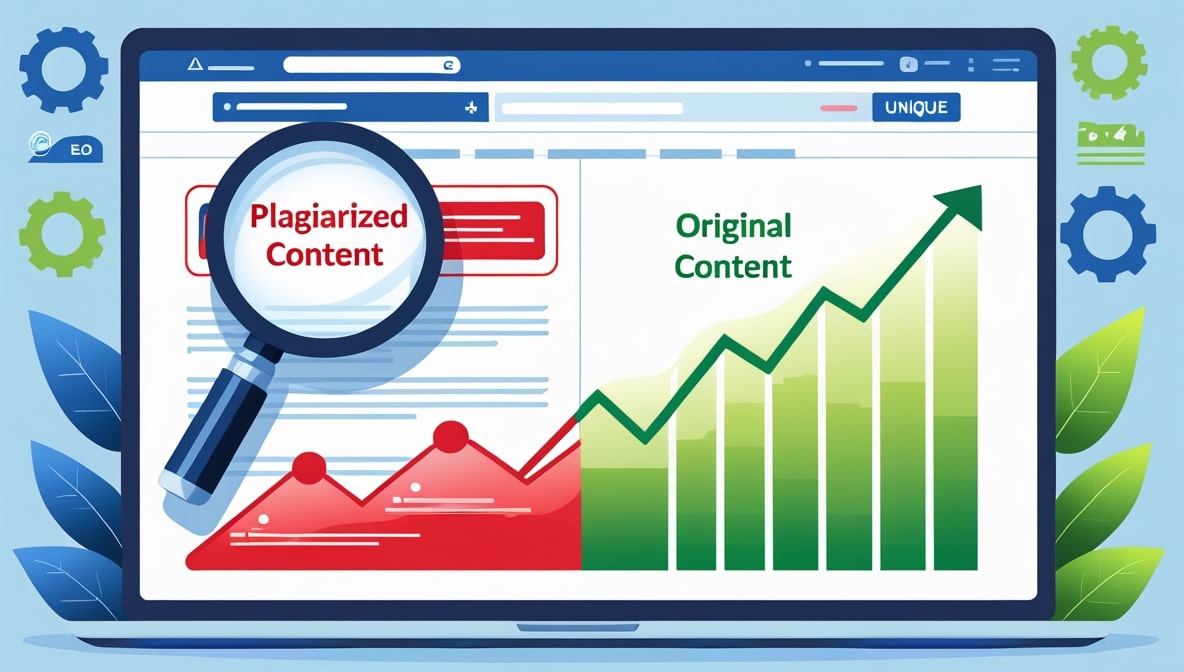
For bloggers, writers, and business owners, the stakes are just as high, just in a different arena. If Google’s algorithms detect duplicate content, your website’s SEO ranking can plummet, making you virtually invisible online. Your credibility with your audience, which you’ve worked so hard to build, can be shattered overnight. No one trusts a creator who steals. In some cases, especially when it involves copyrighted material, plagiarism can even lead to legal action and hefty fines. It’s simply not a risk worth taking for a few saved hours.
The "I Didn't Mean To!" Defense
Plenty of plagiarism isn't malicious. It's accidental. It comes from being disorganized, rushing to meet a deadline, or simply not understanding the rules. You might be taking notes from ten different sources, and a few weeks later, you look back at a brilliant sentence you wrote down. You’ve completely forgotten that you copied it verbatim from an article and you pop it into your essay, thinking it was your own moment of genius. Boom. Accidental plagiarism.
This is why developing good habits from the very start of a project is so important. It’s not about being a bad person; it’s about having a bad process. We’re all human, and our memories are faulty. Relying on your brain to remember which ideas were yours and which came from your research is a recipe for disaster. This isn’t an excuse that will get you out of trouble, but understanding that accidents happen is the first step toward building a system to prevent them.
Becoming an Original: Your Guide to Avoiding Plagiarism
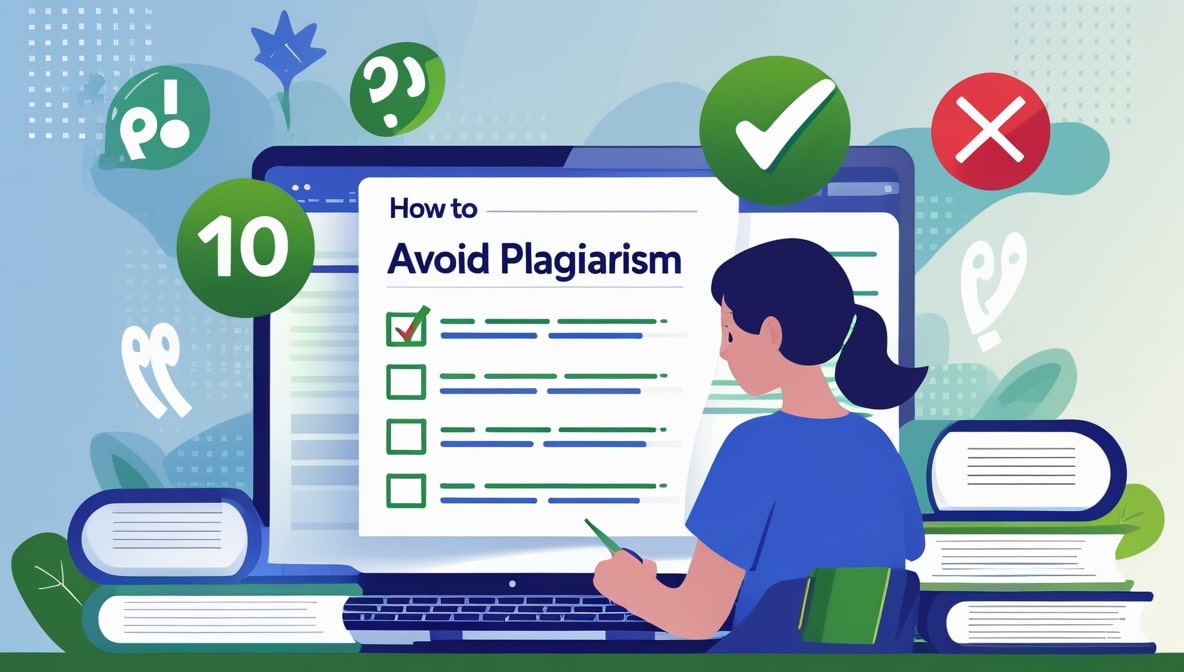
So, how do you protect yourself? How do you make sure that every word you publish is ethically sound and truly yours? It’s not about fear; it’s about process. By building a few key habits into your writing workflow, you can confidently share your work without that nagging worry in the back of your mind. It starts with understanding the tools at your disposal and using them correctly. Think of it as your personal integrity toolkit. From proper quoting and paraphrasing to meticulous citation, these practices are what separate amateur work from professional, credible content. Let’s break down how you can build that strong foundation.
Master the Art of Quoting
Direct quotes are powerful when used correctly. When an author has said something so perfectly, so memorably, that trying to rephrase it would lessen its impact, that’s when you should use a quote. The key is to do it deliberately and correctly. First, always enclose the borrowed text in quotation marks. This is the universal signal to your reader that these words are not your own.
Second, you must immediately attribute the quote to its original source. This means mentioning the author and the work it came from, following whatever citation style you’re using (like APA or MLA for students, or a simple in-text link for bloggers). Don’t just drop a quote in and hope for the best. Integrate it into your own sentence. For example, instead of just dropping a quote, you could write: As Jane Austen famously wrote, “It is a truth universally acknowledged, that a single man in possession of a good fortune, must be in want of a wife.”
Paraphrasing: The Right Way
Here is a foolproof method for paraphrasing that goes beyond just changing a few words. First, read the passage you want to use until you fully understand its meaning. Don’t just skim it. Second, and this is the most important step, close the original source. Turn the book over or click to a different browser tab. Now, try to explain that concept out loud to yourself or write it down in your own words, from memory.
By forcing yourself to recall the idea instead of looking at the original text, you automatically use your own vocabulary and sentence structure. After you’ve written your version, open the source again. Compare your paraphrase to the original to make sure you haven't accidentally used the same phrasing and that you've accurately represented the idea. And, of course, the final step is to add a citation.
Your Best Friend: The Citation
Citing your sources can feel like a chore, but try to reframe how you think about it. A citation is not a sign of weakness; it’s a sign of strength. It shows your reader that you’ve done your homework. It proves that your arguments are supported by evidence and that you are engaging in a larger conversation with other experts and thinkers. It adds credibility to your work. For bloggers, linking to your sources is also great for SEO and builds community with other creators.
Whether you're using footnotes, a bibliography, or in-text hyperlinks, the goal is the same: to give your reader a clear path back to the original material. Be consistent with your citation style and remember that it’s always better to over-cite than to under-cite. If you’re unsure whether something needs a citation, just add one. It’s a simple habit that will save you a world of trouble.
The Power of a Good System
Remember that "accidental plagiarism" we talked about? The best way to fight it is with a solid organization system. From the moment you start your research, keep meticulous notes. Whether you use a digital tool like Evernote or an old-fashioned notebook, always connect your notes to their sources. If you copy a direct quote, put quotation marks around it in your notes immediately and paste the URL or write down the book and page number right next to it.
If you paraphrase an idea, write the summary in your own words and then, right away, add the source information. Don't tell yourself you'll go back and find the sources later. "Later" often turns into a frantic, last-minute search where mistakes are easily made. A little organization on the front end will give you complete peace of mind during the writing process, because you’ll never have to wonder, "Wait, was that my idea or did I read that somewhere?"
The Final Check-Up: Using a Plagiarism Checker
Even with the best intentions and the most organized system, mistakes can happen. That’s where a final safety net comes in handy. Before you submit that paper or hit "publish" on that blog post, running your work through a plagiarism checker is a smart final step. Think of it like using a spell checker or a grammar tool. It’s not there to do the work for you, but to catch any small errors you may have missed.
A good checker will scan your document and compare it against billions of sources online, highlighting any passages that are too similar to existing content. This can help you catch a forgotten citation or a poorly paraphrased sentence. Here at plagiarism-checker.free, we believe this tool should be accessible to everyone, giving you the confidence that your work is clean, original, and ready for the world. It’s that last little bit of insurance that helps you share your work with complete integrity.
Finding Your Own Voice is the Ultimate Goal
At the end of the day, the conversation about plagiarism isn't just about avoiding punishment. It's about something much more important: developing your own unique voice and perspective. The world doesn't need another echo of what’s already been said. It needs your take, your analysis, your stories. Students, your professors want to see how you grapple with the material. Bloggers, your readers show up for your unique personality and insights.
Leaning on the work of others is a crucial part of learning and creating. But the goal is to use those sources as a springboard for your own original thoughts, not as a crutch. The effort it takes to synthesize ideas, form your own arguments, and express them in your own words is what leads to real growth. It’s more challenging, for sure. But it’s also infinitely more rewarding. So go ahead, do the research, learn from the experts, and then, with confidence, tell us what you think.